
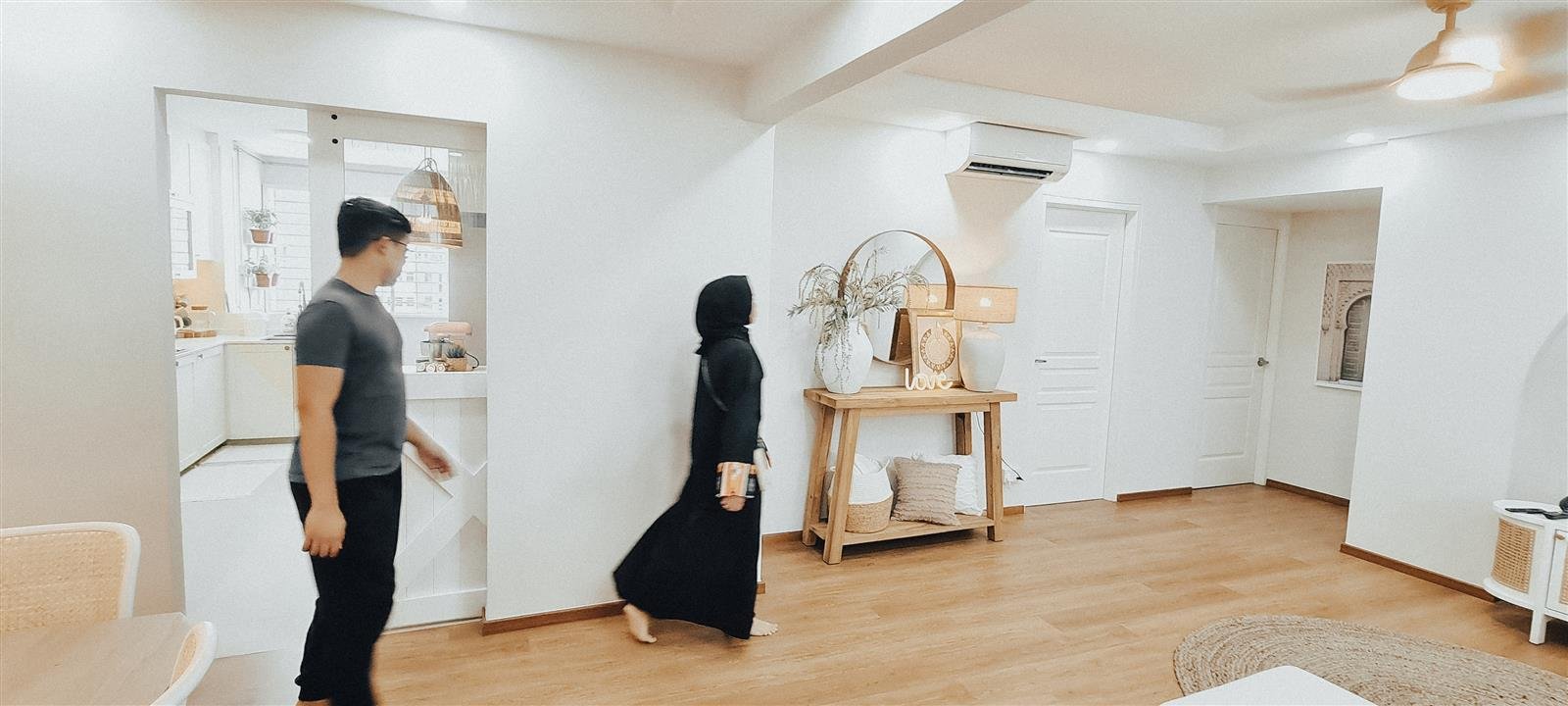
Embarking on a home renovation in Singapore is both exhilarating and daunting. With more than 1,000 interior design firms and renovation contractors operating across the island, selecting the wrong team can result in blown budgets, shoddy workmanship, extended delays, or worse—becoming another statistic in CaseTrust renovation dispute records.
Here is a practical, candid guide from King Hall Design on how to navigate the Singapore interior design landscape, spot critical red flags, and partner with a reliable team who will deliver your dream home on time and on budget.
1. Look for Verifiable Track Records and Digital Authenticity
In an era of flashy digital marketing, superficial advertisements can be deceptive. A reputable interior design firm maintains an authentic, consistent digital footprint:
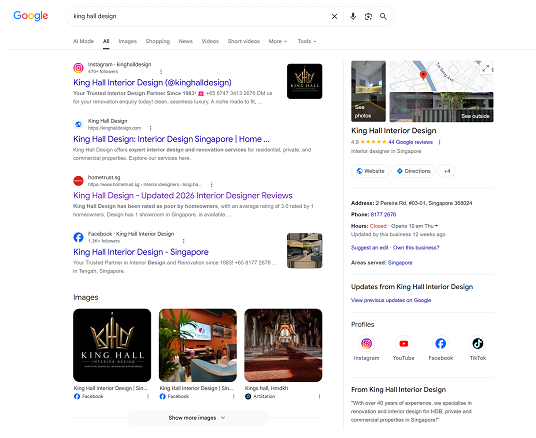
- Independent Client Testimonials: Look beyond curated website quotes. Check independent Google Business reviews, Qanvast ratings, and social platforms for candid feedback detailing how firms handle on-site hiccups and post-handover rectifications.
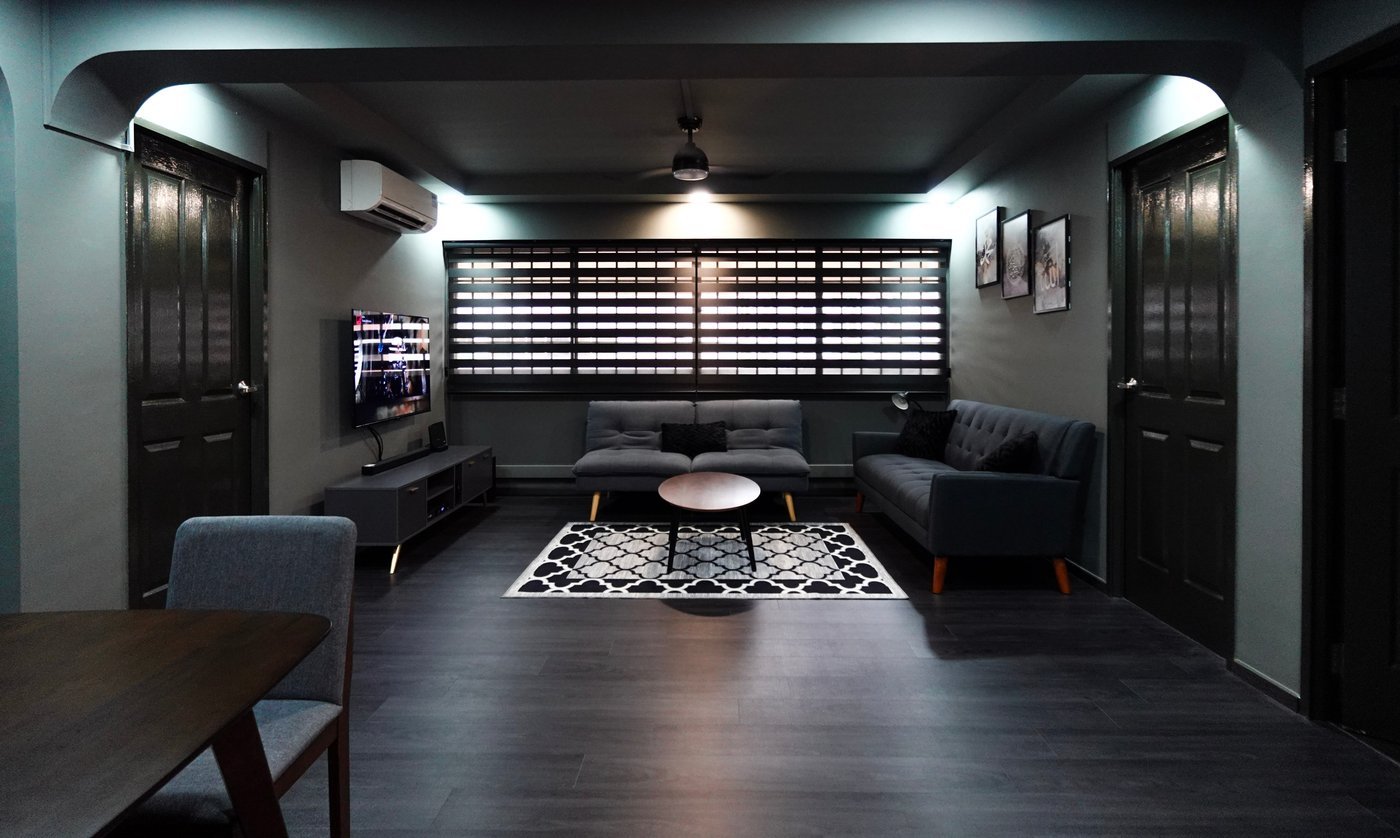
- Finished Homes vs 3D Renders: Many promotional portfolios display only polished 3D computer visualisations. Insist on seeing finished handover photographs and video walk-throughs that demonstrate real-world carpentry alignment, tile screeding, and lighting integration.
- Behind-the-Scenes Transparency: Credible firms regularly share on-site progress updates, trade sequencing stories, and workshop joinery details, demonstrating hands-on project management.
2. Evaluate Designer Chemistry and Communication
Your renovation journey will span 6 to 12 weeks of active construction, preceded by weeks of concept refinement. The relationship you build with your dedicated interior designer is fundamental to the project’s success:
- Active Listening: Does the designer listen attentively to your lifestyle needs, daily routines, and storage habits, or do they push pre-packaged design templates?
- Honest Feasibility Advice: A capable designer tells you what cannot or should not be done. If a wall cannot be legally hacked under HDB rules, or if a material choice will degrade in Singapore’s tropical humidity, they will offer practical alternatives rather than making empty promises.
- Clear Points of Contact: Clarify who will manage your renovation on a daily basis. Will your primary design consultant oversee on-site trade coordination, or will your project be handed off to an unfamiliar third-party site supervisor?
3. Come Prepared to Your First Consultation
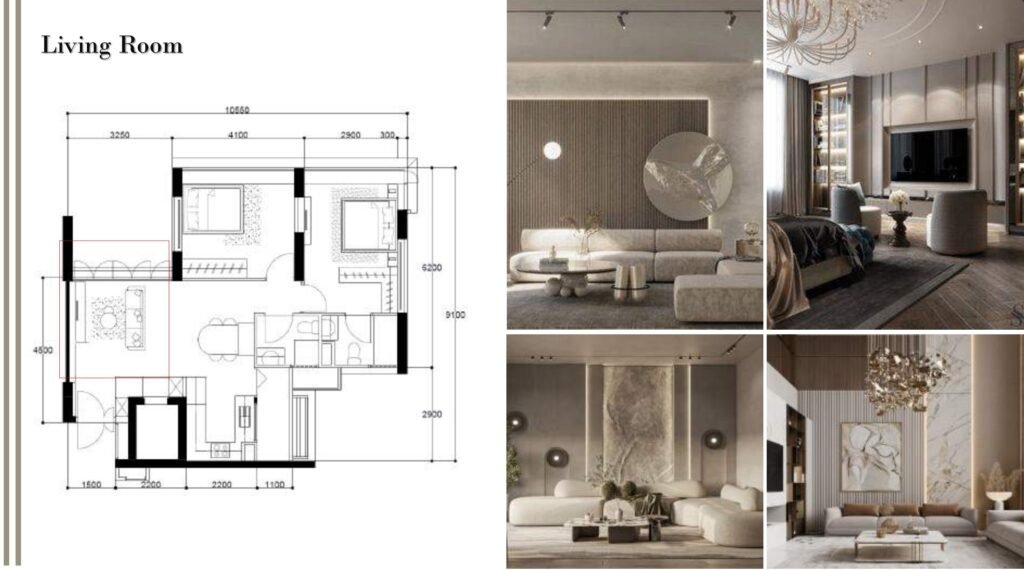
To extract the maximum value from your initial interior design meeting, arrive with clear, structured documentation:
- Architectural Floor Plan: Provide an official scaled HDB or condo blueprint. This allows designers to assess load-bearing walls, structural columns, and utility locations accurately.
- Visual Inspiration & Mood Board: Collect reference images highlighting colour palettes, carpentry finishes, and spatial aesthetics you love.
- Defined Scope of Work: Outline your essential requirements (e.g., complete rewiring, kitchen hacking, full-height bedroom wardrobes) versus secondary nice-to-haves.
- Realistic Budget & Move-In Timeline: Be open about your overall budget. Specifying your financial boundaries enables the designer to allocate funds strategically across structural works, wet trades, and built-in joinery.
4. Beware the “Cheapest Quotation” Trap
Every year, the Consumers Association of Singapore (CASE) receives hundreds of complaints regarding renovation contractors who abandon projects halfway or hit homeowners with astronomical Variation Orders (VOs).
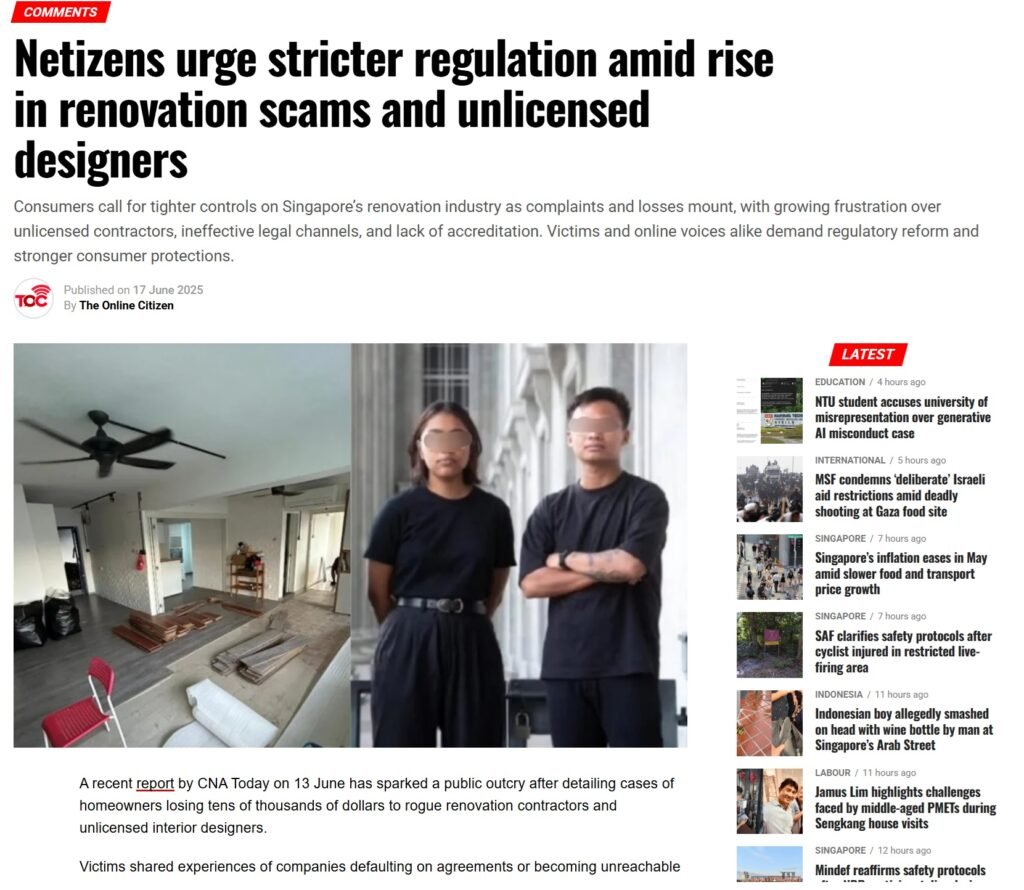
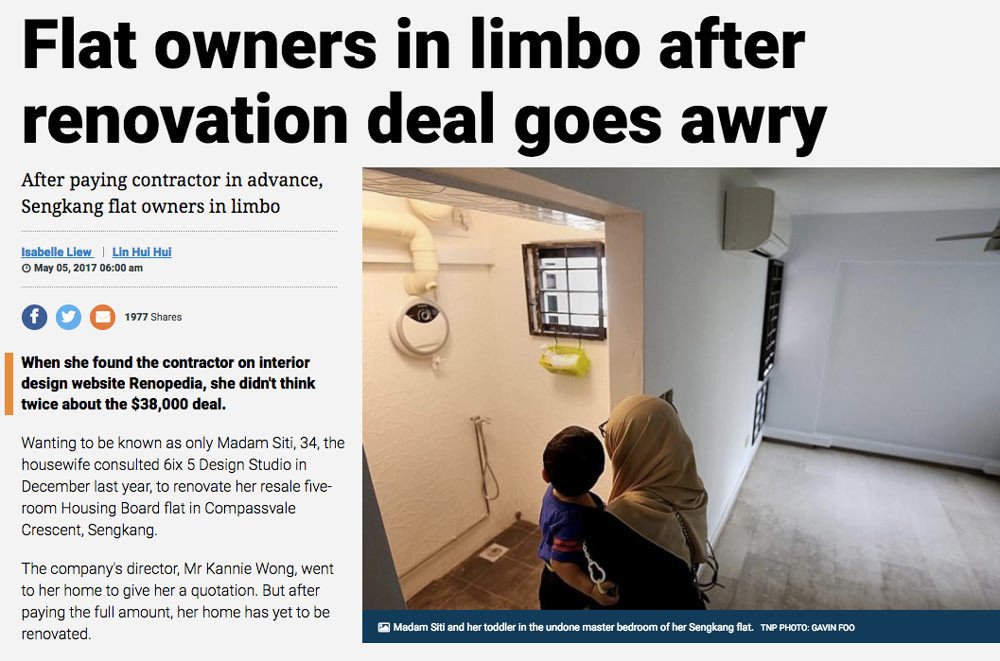
Low quotation packages that seem “too good to be true” usually suffer from four major risks:
- Unspecified Material Grades: Cheap packages often substitute high-density moisture-resistant plywood with hollow particleboards that warp and swell within 18 months of tropical humidity exposure.
- Hidden Omissions & Sneaky VOs: Quotations that omit essential items—such as electrical point hacking, haulage fees, chemical wash, or debris disposal—force homeowners to pay steep mark-ups once construction is underway.
- Subcontracted Quality Gaps: Low-margin firms frequently hire ad-hoc transient sub-contractors with zero quality control or trade accountability.
- Empty or Expiring Warranties: The standard industry warranty lasts only 12 months—conveniently expiring just before structural settlement defects and moisture delamination manifest.
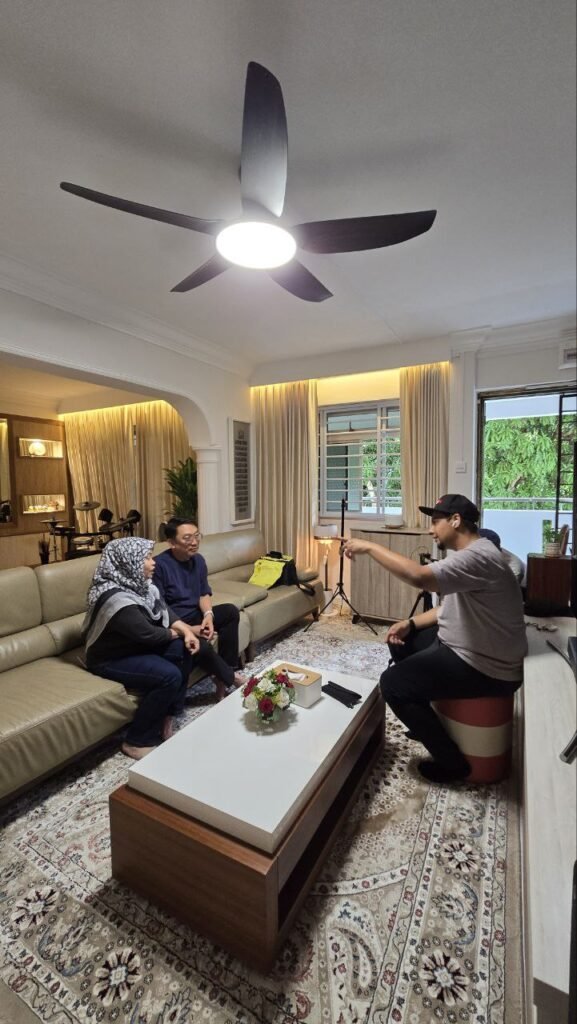
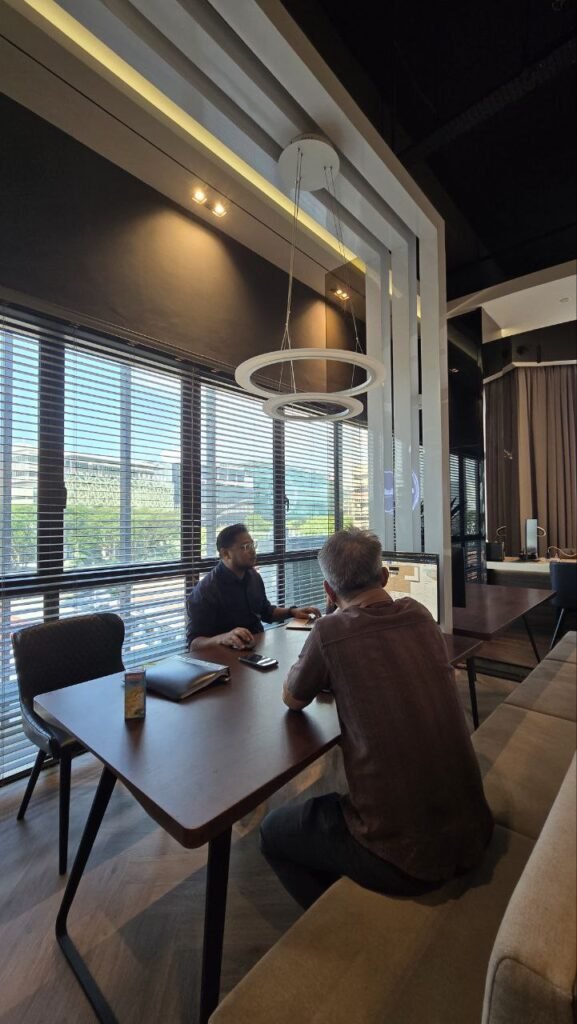
The King Hall Design Commitment
Since 1983, King Hall Design has completed over 1,000 home transformations across Singapore under continuous family leadership. We operate on a foundation of total quotation transparency, dedicated in-house carpentry and masonry trades, and an industry-leading 5-year written warranty on all built-in carpentry and masonry tiling.
Are you comparing quotations for your upcoming renovation? Schedule a session at our design studio to review your floor plan with our senior design team, or browse our comprehensive HDB Renovation Packages and Condo & Landed Services.